


12 Jul Getting married in France: 7 steps to plan your dream wedding abroad
So, you’re dreaming of getting married in France? That’s a fantastic idea! Imagine saying your vows amidst stunning vineyards or in a charming old chateau. It’s definitely an exciting thought, and for many, it’s the ultimate dream wedding. But, let’s be real, planning a wedding in another country, especially France, can feel like a bit of a puzzle. There’s a lot to sort out, from finding the perfect spot to figuring out all the legal bits. Don’t worry though, this guide is here to help you through it, step by step, so you can have that amazing French wedding you’ve always wanted.
Key Takeaways
- Getting married in France means you’ll need to understand the local rules, especially about legal requirements and paperwork.
- Consider hiring a wedding planner who knows both English and French well. They can really help with communication and local suppliers.
- The cost of a wedding in France can change a lot depending on where you pick and how many guests you have. Think about your budget early on.
- You don’t always have to be a resident to get legally married in France, but one of you usually needs some kind of connection to the area.
- Start planning early, ideally 18 months ahead, to get the best choice of venues and suppliers, as popular spots book up fast.
1. Wedding planner
Planning a wedding, especially abroad, can feel like climbing a mountain in flip-flops, right? That’s where a wedding planner comes in. Think of them as your sherpa, guiding you through every step and making sure you don’t trip over any rogue details.
- They handle the nitty-gritty.
- They speak the language (literally and figuratively).
- They know the best suppliers.
Hiring a wedding planner is one of the smartest moves you can make when planning your dream wedding in France.
A good wedding planner isn’t just a luxury; they’re an investment. They save you time, stress, and often money in the long run by preventing costly mistakes and negotiating better deals with suppliers. Plus, they allow you to actually enjoy the planning process, rather than being consumed by it.
Finding the right planner is key. Look for someone with experience planning weddings in France, a good understanding of local customs, and a style that meshes with yours. Don’t be afraid to ask for references and check their reviews. You’ll want someone who can handle everything from guest travel assistance to the wedding day itinerary.
2. Wedding venue
Choosing the right wedding venue in France is a big deal. It sets the tone for your entire celebration. You’ll want to think carefully about what kind of atmosphere you’re hoping to create.
Types of Venues
France has so many amazing options. You could go for a classic chateau, a rustic farmhouse, or even a vineyard. Each offers a totally different vibe. Here are a few ideas:
- Chateaux: Think fairytale weddings. These offer grandeur and history.
- Farmhouses (Bastides or Mas): For a relaxed, rustic feel. Perfect if you want something more intimate.
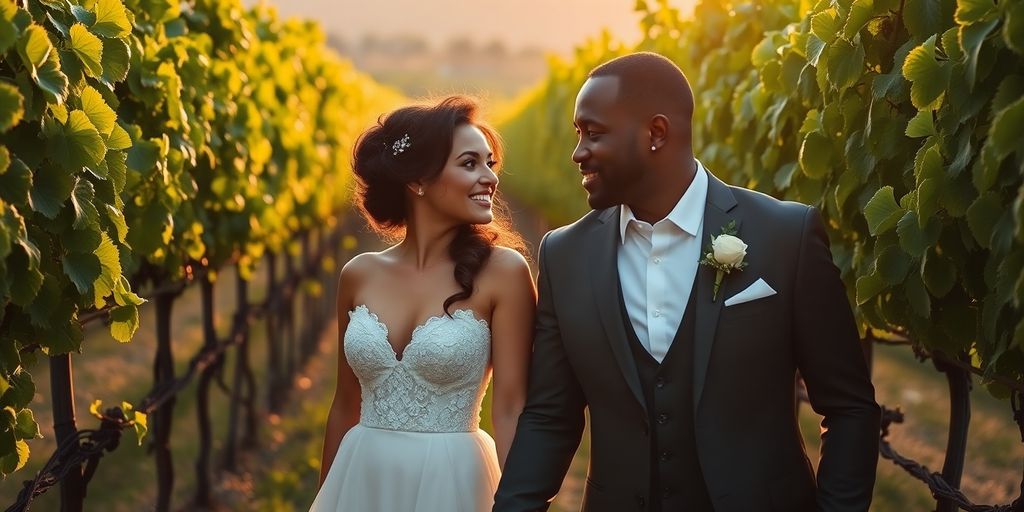
- Vineyards: Ideal for wine lovers. Imagine saying “I do” surrounded by rolling hills of grapes. The South of France offers charming villages that can be the perfect backdrop.
- Converted Monasteries or Abbeys: For a unique and historic touch.
Things to Consider
Beyond just the look, there are practical things to keep in mind:
- Capacity: How many guests are you planning to invite? Make sure the venue can comfortably accommodate everyone.
- Location: Is it easy for your guests to get to? Are there hotels nearby?
- Budget: Venue costs can vary wildly. Be clear on what’s included in the price.
It’s a good idea to visit potential venues in person if you can. Photos can be deceiving, and you’ll get a much better feel for the place when you’re actually there.
Booking in Advance
Popular venues get booked up quickly, sometimes years in advance. Start your search early to avoid disappointment. Especially if you’re set on a particular date or location.
Venue Amenities and Services
Think about what the venue offers. Do they have on-site catering? What about accommodation for you and your guests? Do they have a list of recommended suppliers? These things can make your planning a lot easier.
Privacy
Do you want a venue that’s completely private, just for you and your guests? Or are you happy to share the space with other events? This is something to consider, especially if you’re after a more intimate celebration.
3. Legal requirements

Okay, so you’re dreaming of saying ‘oui’ in France? Fantastic! But before you start picturing yourself sipping champagne in a vineyard, let’s talk about the legal stuff. It’s not the most glamorous part of wedding planning, but it’s super important to make sure your marriage is actually, well, legal!
Getting legally married in France involves a few key requirements that you need to be aware of.
First things first, you can’t just rock up and expect to get hitched. There are rules, and they’re there for a reason. Let’s break it down:
- Age: Both of you need to be at least 18 years old. No exceptions.
- Single Status: You both need to be legally single. That means divorced, widowed, or never married. You’ll need proof, so dig out those documents!
- Consent: Sounds obvious, but you both need to be willingly entering into the marriage. No forced marriages allowed, obviously.
It’s worth noting that French law is quite strict. If you don’t meet these requirements, you won’t be able to legally marry in France. It’s as simple as that. So, do your homework and make sure you tick all the boxes.
Residency Requirements
This is where things can get a little tricky. To legally marry in France, at least one of you needs to have been resident in France for at least 30 days before the wedding. This means having a fixed address and being able to prove it. This can be a real stumbling block for many couples planning a destination wedding. If you don’t meet the residency requirements, you can still have a symbolic ceremony in France and complete the legal paperwork back home.
Same-Sex Marriage
France legalised same-sex marriage in 2013, so if you’re a same-sex couple, you’ll have the same rights and requirements as heterosexual couples. This is great news, and France is a beautiful and welcoming place to celebrate your love. Just make sure you meet all the legal requirements, and you’re good to go!
Banns
In France, the banns of marriage (a public announcement of your intention to marry) must be published at the town hall (mairie) where you intend to marry. This is usually done at least 10 days before the wedding. The purpose of this is to allow anyone who knows of a legal impediment to the marriage to come forward. It’s a bit of an old-fashioned tradition, but it’s still a legal requirement.
Civil Ceremony
In France, only a civil ceremony performed by a government official is legally binding. You can have a religious ceremony afterwards, but it won’t be recognised by the state. The civil ceremony usually takes place at the town hall and is a fairly simple affair. It’s usually conducted in French, so if you don’t speak the language, you’ll need to arrange for an interpreter. After the ceremony, you’ll receive a marriage certificate (acte de mariage), which is your official proof of marriage.
4. Documents
Okay, so paperwork. Not the most thrilling part of wedding planning, but absolutely essential, especially when you’re getting hitched in France. You don’t want any last-minute surprises ruining your big day, do you? Let’s break down what you’ll likely need.
First things first, remember that requirements can vary depending on your nationality and the specific mairie (town hall) where you’ll be tying the knot. It’s always best to double-check with the local authorities well in advance.
Here’s a general idea of what to expect:
- Passports: Valid passports for both of you, of course.
- Birth Certificates: Original birth certificates, usually issued within three months of the wedding date. If you were born outside of France, there might be additional rules, so get onto that early!
- Proof of Address: You’ll need to prove you actually live where you say you do. Utility bills or official letters should do the trick.
- Certificate of Celibacy/Non-Marriage: This confirms you’re legally free to marry. Requirements vary depending on your country of origin, so do your homework.
- Divorce/Death Certificates: If either of you has been married before, you’ll need official proof that the previous marriage ended.
- List of Witnesses: You’ll need at least two witnesses, and the town hall will want their details (names, addresses, occupations, and copies of their IDs).
Don’t forget about translations! Any documents that aren’t in French will need to be officially translated by a certified translator. This can take time and cost money, so factor that into your planning.
And remember to pack all your important documents in a safe place! You don’t want to lose them in transit. Getting your wedding planner printable downloaded is also a good idea to stay organised.
5. Cost
Okay, let’s talk money. Weddings, especially destination weddings in a dreamy place like France, can range wildly in price. It’s super important to have a realistic idea of what things cost so you can plan accordingly. I’ll break down some of the key factors that influence the overall price tag.
First off, setting a budget is the most important thing you can do. It’s easy to get carried away with all the beautiful options, but knowing your limit will help you make smart choices.
Here’s a rough idea of what you might expect:
- Venue hire
- Accommodation
- Travel (flights, transfers, on-the-day travel)
- Wedding photographer and/or videographer
- Bridal dress & accessories
- Groom’s outfit & accessories
- Bridal party outfits
Remember to factor in things like currency exchange rates and potential bank fees if you’re paying from a foreign account. It might be worth chatting with your vendors about payment options or discounts for paying in the local currency.
Also, consider these points:
- Wedding Insurance: It’s a good idea to get wedding insurance to protect your investment in case something goes wrong.
- Vendor Costs: If your vendors need to travel, you might need to cover their travel and accommodation.
- Overtime: Weddings often run late, and some vendors charge extra for overtime.
- Contingency Fund: Always have a bit of extra money set aside for unexpected costs.
Finally, when you start searching, you’ll find venues that offer fully inclusive packages covering catering, decorations, and sometimes photographers, celebrants, and more. On the other hand, some venues simply rent out their space, leaving you to organise everything. While sourcing all your suppliers requires more work, it gives you greater control over whom you hire, their style, and their cost. Alternatively, opting for a venue with a fully inclusive package can often be less expensive and more convenient. If you are looking for wedding venues, consider this.
6. Suppliers
Finding the right suppliers can really make or break your wedding day. It’s not just about ticking boxes; it’s about finding people who get your vision and can bring it to life. It can feel a bit overwhelming, but with a bit of planning, you can assemble a dream team.
Start your search early to secure the best in the business.
Here’s what to keep in mind:
- Define Your Style: Before you even start looking, have a clear idea of what you want. Are you after rustic charm, modern elegance, or something totally unique? Knowing your style will help you narrow down your options.
- Read Reviews and Ask for Recommendations: Online reviews are your friend, but don’t underestimate the power of word-of-mouth. Ask friends, family, or even your venue for recommendations. Real experiences are invaluable.
- Meet Potential Suppliers: Don’t just rely on emails and phone calls. Arrange meetings to discuss your ideas, see their work, and get a feel for their personality. You want to work with people you trust and connect with.
Remember, your suppliers are more than just vendors; they’re partners in creating your perfect day. Choose wisely, communicate clearly, and trust their expertise.
Consider these points when choosing your suppliers:
- Availability on your wedding date
- Pricing and payment terms
- Experience with similar weddings
- Insurance and licences
And don’t be afraid to negotiate! Many suppliers are open to discussing pricing, especially if you’re booking multiple services with them. You might even find last-minute offers if you’re planning your wedding on short notice.
7. Wedding photographer
Okay, so you’ve got the venue sorted, the legal stuff is (hopefully) under control, and you’re starting to think about the actual day. Now it’s time to think about capturing those memories! Finding the right wedding photographer is super important. These are the photos you’ll be looking back on for years to come, so you want someone who gets your vibe and can really capture the magic of the day.
Choosing a photographer is a big decision, so take your time and do your research.
First things first, figure out what style you’re after. Do you like those super posed, traditional shots, or are you more into candid, documentary-style photography? Maybe something in between? Once you know what you want, you can start looking at portfolios and seeing who’s work really speaks to you. Don’t be afraid to reach out and chat with a few different photographers before making a decision. It’s important to find someone you click with, as they’ll be spending the whole day with you!
Remember to ask about their experience shooting weddings in France specifically. Different lighting, different venues – it all makes a difference. You want someone who knows how to handle it all.
Here are a few things to consider:
- Style: Do their photos match your vision?
- Experience: Have they shot weddings in similar venues?
- Personality: Do you get along with them?
- Price: Does their package fit your budget?
- Reviews: What are other couples saying about them?
And don’t forget to check out Romain Didier’s tips for finding the perfect photographer in France! It’s a great resource to help you make the right choice.
Thinking about who will snap those special wedding day pictures? Picking the right person is super important. If you want to see some amazing examples of our work, pop over to our website. We’d love to show you what we can do!
Conclusion
So, there you have it! You’re now ready to start planning your wedding in France. From picking the right place to sorting out all the paperwork and even adding some local touches, you’ve got what you need to make your big day truly special. Let France’s amazing views, rich history, and classic style be the setting for your celebration. Enjoy the charm, try the food, and really get into the feel of this lovely country as you make memories. Your dream wedding in France is waiting, and with a bit of careful planning, it’ll be a day everyone remembers.
Frequently Asked Questions
Do I need to live in France to have my wedding there?
Yes, you can! You don’t have to live in France to get married there. However, one of you or your parents needs to have a clear connection to the town where you want to get married. This usually means owning or renting a home there, even if it’s just a holiday place. You’ll need to show proof you’ve been linked to that town for at least 30 days before you apply to get married.
What if I don’t have an address in France?
If you don’t have a permanent address in France, you can still have a beautiful celebration. Many couples choose to get legally married in their home country first. Then, they come to France for a symbolic ceremony and a big party. This way, you get the French wedding experience without all the tricky paperwork.
What paperwork do I need for a legal wedding in France?
For the official civil ceremony in France, you’ll need a few important documents. These include a valid ID or passport for both of you, and proof of your address or residency permit in France. It’s a good idea to check with the local town hall where you plan to marry, as they can give you the exact list of what’s needed.
When should I begin planning my wedding in France?
It’s best to start planning your French wedding about 18 months before the big day. This gives you plenty of time to pick from a wider range of venues and suppliers, and you might even get better prices. Popular places and services can get booked up two years in advance, so starting early is always a good idea.
How much does a wedding in France usually cost?
The cost of a wedding in France can change a lot depending on where you get married, how many guests you have, and what you want. Generally, a wedding in France can cost anywhere from €30,000 to €90,000 or even more. Areas like Provence and the French Riviera tend to be more expensive than the south-west of France.
Can I get married in France if I’m only visiting on a tourist visa?
Yes, usually you can! If you’re just visiting France for your wedding and don’t plan to live there, you should be able to organise your special day without needing a long-term visa.
No Comments